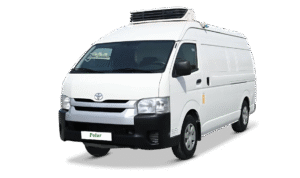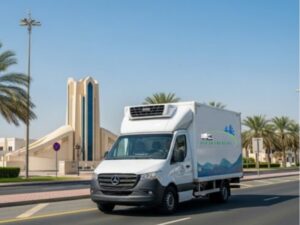
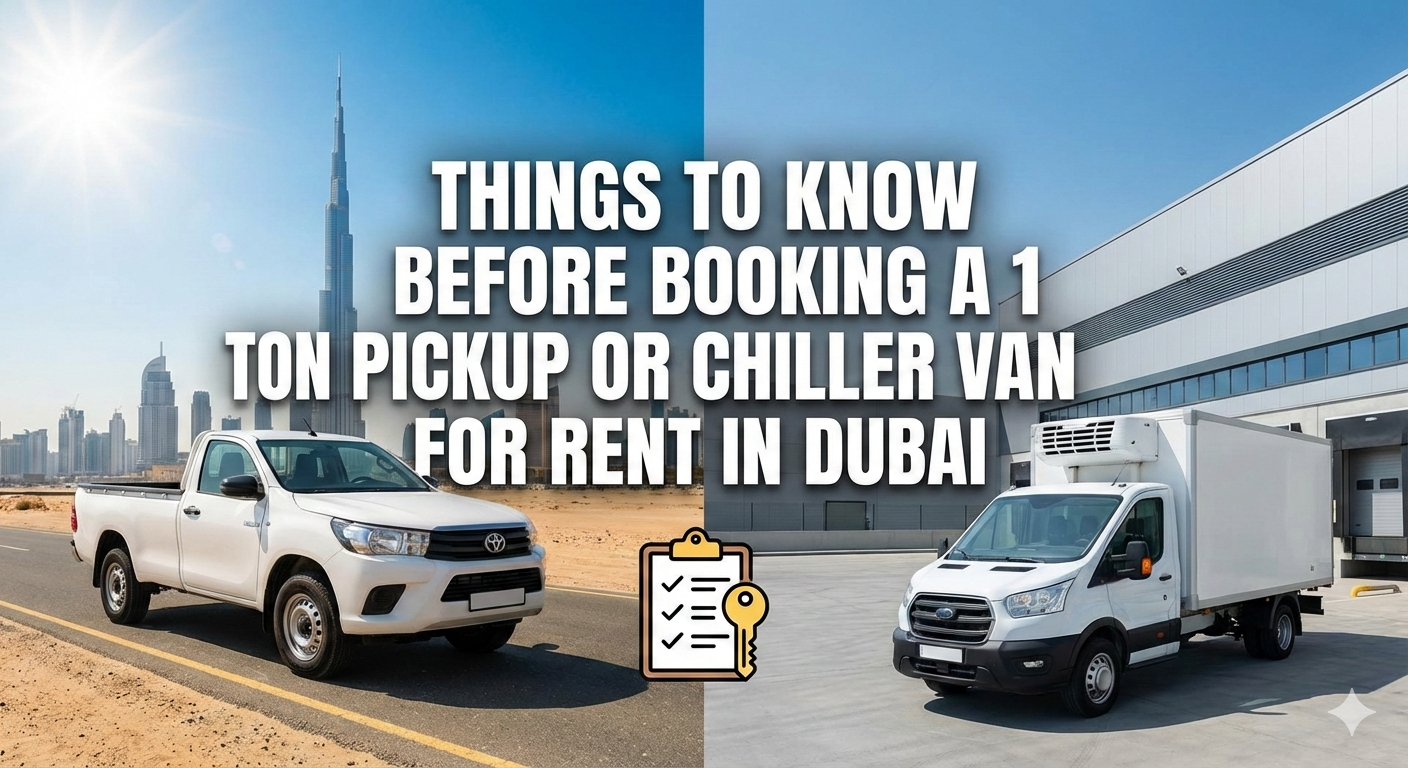
A 1 ton chiller van rental in Dubai is one of the most practical transport solutions for small and medium-sized businesses that need reliable temperature-controlled delivery. From restaurants and bakeries to florists and pharmaceutical suppliers, many businesses rely on compact refrigerated vehicles for daily operations across the city.
Unlike larger refrigerated trucks, a 1-ton chiller van offers easy maneuverability in urban areas, lower operating costs, and sufficient capacity for routine deliveries. For businesses that need flexible cold-chain logistics without maintaining their own fleet, renting a refrigerated van is often the most efficient option.
For a complete overview of refrigerated transport solutions, read our guide to chiller van rental in Dubai.
Understanding 1-Ton Chiller Van Rental in Dubai
A 1-ton chiller van, also known as a refrigerated truck or freezer van for rent, is a specialized commercial vehicle equipped with built-in cooling systems designed to maintain precise temperature control throughout transport.
These insulated vans create a controlled cold chain environment essential for transporting perishable goods, temperature-sensitive pharmaceuticals, fresh produce, frozen foods, and other products requiring consistent cooling or freezing during distribution.
The “1-ton” designation refers to the vehicle’s payload capacity, approximately 1,000 kilograms of cargo weight. This capacity makes these refrigerated trucks ideal for small to medium-sized businesses handling daily deliveries across Dubai and the UAE.
The cooling unit operates independently of the vehicle’s engine, maintaining consistent temperatures whether the van is moving or stationary during loading and unloading at multiple delivery points.
Dubai’s Refrigerated Van Rental
Dubai’s refrigerated van rental market has evolved significantly to meet growing demand from food distributors, catering companies, bakeries, medical suppliers, florists, and cosmetics retailers. Modern chiller van hire services now offer vehicles with advanced features, including digital temperature monitoring, GPS tracking systems, multi-temperature compartments, and data logging capabilities for compliance documentation.
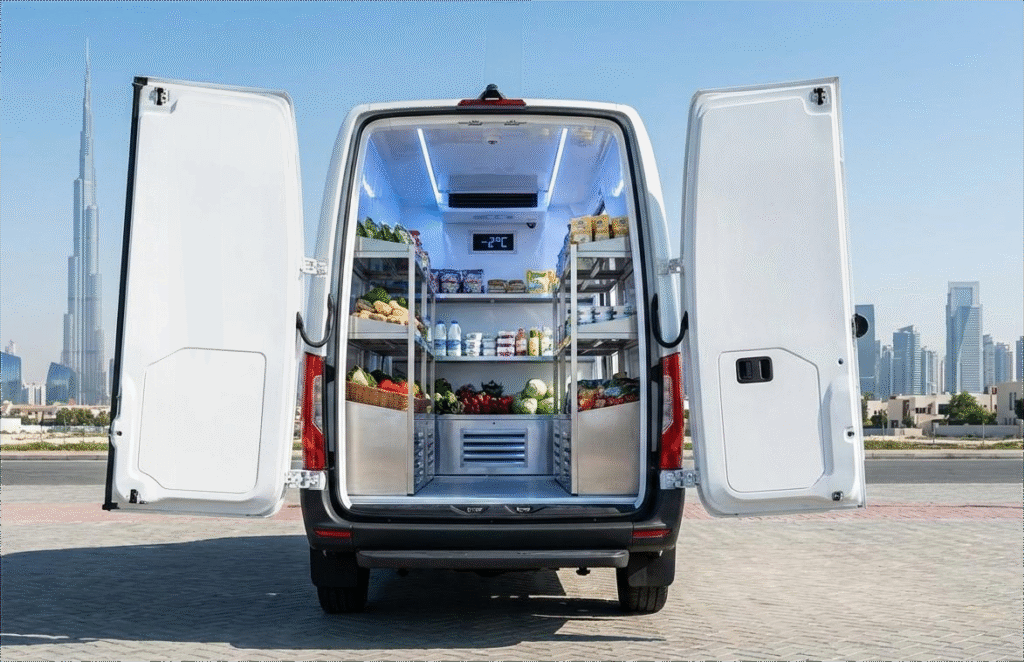
Why Businesses Choose 1 Ton Chiller Vans in Dubai
Many businesses do not require large refrigerated trucks for daily deliveries. A 1 ton chiller van provides enough cargo space for routine distribution while remaining cost-effective and easy to operate in busy commercial areas.
This vehicle size is commonly used for:
- restaurant ingredient deliveries
- bakery product transport
- floral distribution
- small pharmaceutical shipments
- catering supply transport
Because of their compact size, these vans can easily access restaurants, retail stores, hotels, and residential areas across Dubai.
Industries That Use 1 Ton Chiller Vans in Dubai
Ministry of Health and Prevention UAE observes the strictest temperature control standards in any industry. A 1 ton chiller van rental in Dubai is commonly used by businesses that require reliable temperature-controlled transport for daily deliveries without the need for large refrigerated trucks.
Food Service and Restaurant
1 ton chiller van rental in Dubai is commonly used by businesses that require reliable temperature-controlled transport for daily deliveries without the need for large refrigerated trucks.
Food Service and Restaurant Supply
Restaurants, cloud kitchens, and catering businesses frequently use 1-ton refrigerated vans to transport ingredients, dairy products, prepared meals, and fresh produce between suppliers and kitchens.
Bakery and Confectionery Delivery
Bakeries and dessert suppliers rely on compact refrigerated vans for transporting cakes, pastries, and chocolate products safely across Dubai.
Pharmaceutical and Medical Deliveries
Small pharmaceutical distributors and medical suppliers often use 1-ton chiller vans to transport temperature-sensitive medications and laboratory samples between clinics and pharmacies.
Floral and Event Businesses
Florists and event planners depend on refrigerated vans to deliver flowers and decorative arrangements while maintaining freshness.
Cosmetics Distribution
Beauty product distributors use refrigerated vans to transport temperature-sensitive skincare and cosmetic products across retail locations.
Because of their compact size and efficient cooling systems, 1-ton chiller vans are ideal for businesses running daily delivery routes in Dubai.
Key Features of a 1 Ton Chiller Van
Modern 1 ton chiller vans include advanced refrigeration and cargo-handling features that make them ideal for daily delivery operations in Dubai. Dubai Municipality – Food Safety Department strictly enforces temperature control standards for all perishable food transport.
Temperature Monitoring and Control
Digital temperature displays allow drivers to monitor cargo conditions in real time without opening the cargo doors. Adjustable thermostats help maintain consistent cooling throughout delivery routes, ensuring temperature-sensitive goods remain protected.
Many modern vehicles also include remote temperature monitoring systems, allowing fleet operators to track refrigeration performance and receive alerts if temperature levels change.
Insulation and Cargo Protection
High-quality insulation plays a major role in maintaining internal temperatures. Most refrigerated vans use polyurethane insulation panels in the walls, ceiling, and floor to reduce heat transfer during transport.
Heavy-duty door seals help keep cold air inside the cargo area, improving cooling efficiency and reducing energy consumption.
Flexible Cargo Space
Some 1 ton chiller vans include adjustable shelving systems for organized deliveries, while others offer open cargo space for larger items. Tie-down points and non-slip flooring help secure cargo during transport.
1 Ton Chiller Van Capacity and Practical Use
A typical 1 ton chiller van can carry approximately 800–1,000 kg of cargo with a cargo volume of 8–12 cubic meters. This makes it ideal for small-to-medium daily delivery routes.
Businesses often choose this vehicle when they need:
- multiple delivery stops in one route
- reliable refrigeration for short-distance transport
- flexible logistics without large-vehicle costs
For companies running daily delivery operations, this size offers the best balance between efficiency and operating cost.
Comparison: Standard Van vs 1-Ton Chiller Van Rental
| Feature | Standard 1-Ton Van | 1-Ton Chiller Van |
| Temperature Control | None (ambient temperature) | -25°C to +20°C adjustable |
| Daily Rental Cost | 120-200 AED | 280-450 AED |
| Fuel Consumption | 11-13 km/liter | 7-9 km/liter |
| Cargo Capacity | 1,000-1,200 kg | 800-1,000 kg |
| Interior Volume | 10-14 cubic meters | 8-12 cubic meters |
| Best For | General cargo, dry goods | Perishables, temperature-sensitive products |
| Maintenance Cost | Standard | Higher (refrigeration servicing) |
| Insurance Premium | Lower | Higher (specialized equipment) |
| Ideal Industries | E-commerce, retail, and moving | Food, pharma, floristry, catering |
| Dubai Summer Use | Limited for sensitive products | Essential for perishable goods |
Ideal for Small Business Logistics in Dubai
Small and growing businesses in Dubai often prefer renting a 1 ton refrigerated van instead of purchasing one. Rental services eliminate maintenance costs, insurance management, and vehicle depreciation while providing access to modern refrigerated vehicles.
This is especially useful for:
- small catering companies
- cloud kitchens
- bakery delivery services
- flower shops
- specialty food distributors
- medical supply delivery businesses
With flexible rental options, businesses can scale transport capacity based on demand.
1 Ton Chiller Van Rental Pricing in Dubai
The cost of renting a 1 ton chiller van in Dubai depends on rental duration, refrigeration capability, and delivery requirements. On average, businesses can expect the following pricing range:
- Hourly rental: AED 60–80 per hour (minimum booking applies)
- Daily rental: AED 280–450 per day
- Weekly rental: AED 1,600–2,500
- Monthly rental: AED 4,500–7,000
Longer rental periods typically reduce the daily cost and are more suitable for businesses with regular delivery schedules.
What Affects Rental Cost
Several factors influence 1 ton chiller van rental pricing:
- refrigeration temperature requirements
- rental duration
- delivery distance
- vehicle condition and model
- seasonal demand
- additional monitoring or logistics support
For businesses running daily delivery operations, weekly or monthly rental plans are usually more cost-effective than daily bookings.
Tips for First-Time 1-Ton Chiller Van Renters
Pre-Rental Preparation
First-time renters should invest time in thorough preparation before committing to a 1-ton chiller van rental agreement. Create a detailed list of all products you’ll transport with their specific temperature requirements, which prevents renting inadequate vehicles.
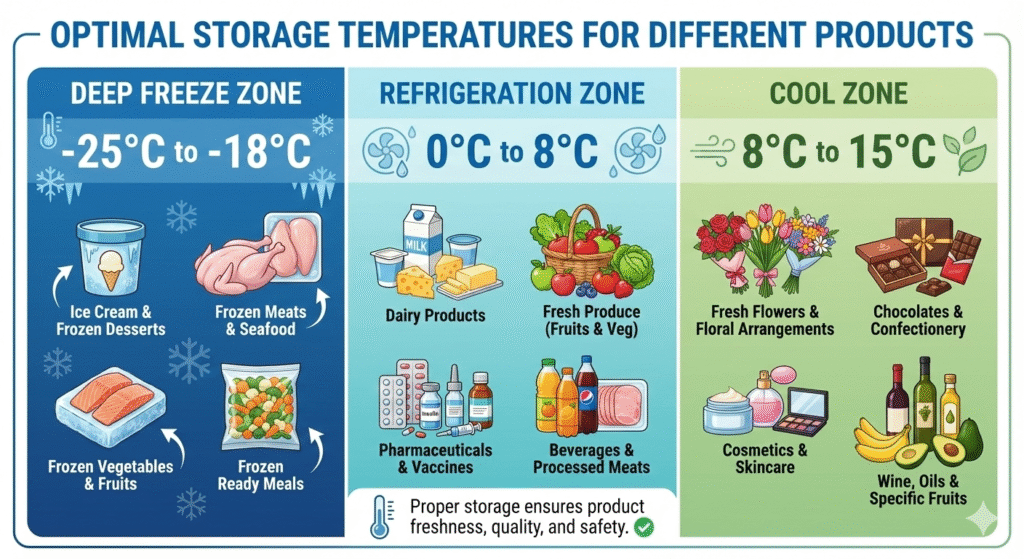
Ice cream requires deep-freeze capability (-25°C) that costs more than standard refrigeration vans maintaining 0-8°C. Calculate your cargo volume accurately by measuring or estimating cubic meters and total weight to ensure selected vehicles accommodate your loads without overloading.
Map your typical delivery routes using Google Maps to estimate daily mileage. Multiply this by 30 for monthly operations to understand fuel costs, a critical budget component. Identify all potential delivery locations, including challenging areas like Dubai Marina, free zones, or distant locations like Dubai Silicon Oasis, requiring extra travel time planning.
First-timer checklist before contacting rental companies:
- ☑️ List all products requiring temperature control with exact temperature needs
- ☑️ Calculate daily cargo volume (cubic meters) and weight (kilograms)
- ☑️ Map delivery routes and estimate daily driving distance
- ☑️ Identify delivery time windows based on customer requirements
- ☑️ Determine rental duration needed (daily, weekly, or monthly)
- ☑️ Set a realistic budget including rental, fuel, insurance, and tolls
- ☑️ Research compliance requirements for your industry (food, pharma, etc.)
- ☑️ Prepare required documents (license, ID, business license if applicable)
Common Mistakes to Avoid
New 1-ton chiller van operators frequently make preventable errors that cost money or damage products. Never assume all refrigerated vans provide freezer capability. many maintain only 0-8°C refrigeration.
Always specify your exact temperature requirements when booking. Avoid underestimating fuel consumption; chiller vans use 30-40% more fuel than standard vans, significantly impacting operating budgets.
Many first-timers neglect pre-cooling the cargo area before loading, expecting the refrigeration unit to cool both the vehicle interior and warm products simultaneously. This approach fails with temperature-sensitive items like ice cream or vaccines.
Always run the cooling system 30-45 minutes before loading to reach the target temperature with an empty van. Don’t skip comprehensive vehicle inspections at pickup, even if rushed. Document any existing damage, test the refrigeration system, and verify that door seals function properly to avoid disputes at return.
Costly mistakes to avoid:
- Renting vehicles without adequate freezer capability for frozen products
- Failing to budget realistically for total costs, including fuel and tolls
- Not pre-cooling the cargo area before loading temperature-sensitive items
- Opening cargo doors frequently during deliveries without organizing the products
- Ignoring temperature monitoring throughout journeys
- Accepting vehicles without thorough inspection and documentation
- Not understanding insurance coverage levels and exclusions
- Attempting deliveries in restricted areas without proper permits or advance coordination
Future Trends in Dubai’s 1-Ton Chiller Van Rental Market
Electric Refrigerated Vehicles
Electric vehicle adoption is accelerating globally, with refrigerated commercial vehicles beginning to enter markets. Dubai’s commitment to sustainability and renewable energy aligns with EV adoption. Early electric chiller vans demonstrate feasibility for urban delivery routes under 150-200 km daily, sufficient for most Dubai operations centered within the emirate.
Advantages of electric refrigerated vehicles include:
Zero tailpipe emissions,
Improving air quality in dense urban areas,
Lower operating costs per kilometer from cheaper electricity versus diesel,
Reduced noise pollution from quieter electric motors and refrigeration systems
Simpler maintenance with fewer moving parts compared to combustion engines.
Challenges include higher upfront acquisition costs (40-60% premium over diesel equivalents), limited driving range, especially with refrigeration systems drawing power, and extended recharging times compared to refueling diesel vehicles.
As battery technology improves and costs decrease, expect electric chiller vans to become increasingly common in Dubai’s rental fleets over the next 5-10 years. Early adopters may benefit from government incentives promoting EV adoption, though these primarily target private vehicles currently.
Autonomous Delivery Vehicles
Autonomous vehicle technology is progressing rapidly, with self-driving delivery vehicles already piloting in controlled environments globally. Dubai’s government actively supports autonomous vehicle development, having announced goals for 25% of all trips to use autonomous transport by 2030.
While fully autonomous refrigerated delivery vans remain years from widespread commercial deployment, the technology’s potential impact on logistics and rental markets deserves consideration.
Autonomous chiller vans could operate continuously without driver fatigue concerns, make late-night or early-morning deliveries without labor constraints, reduce accidents from human error, and optimize routes using AI algorithms considering traffic, delivery windows, and vehicle capacity.
However, significant challenges remain, including regulatory frameworks for autonomous commercial vehicle operation, public acceptance and trust in driverless delivery, technical limitations in complex urban navigation, and cybersecurity concerns protecting vehicle control systems.
Smart Cold Chain Integration
Integration of 1-ton chiller van operations with broader cold chain management systems represents near-term innovation already emerging. Cloud-based platforms connecting refrigerated storage facilities, transport vehicles, and delivery tracking provide end-to-end visibility and control over temperature-sensitive products.
These systems automatically document continuous temperature compliance from warehouse to customer, satisfy regulatory requirements, and identify inefficiencies or weak points in cold chain operations. Predictive maintenance using vehicle sensor data and machine learning algorithms will increasingly prevent refrigeration system failures before they occur.
Rather than reactive repairs after breakdowns, rental companies will schedule proactive maintenance based on actual equipment condition and usage patterns. This improves reliability while reducing total maintenance costs, and benefits are likely passed to customers through competitive rental pricing.
Conclusion: Making the Right Choice for Your Business
Choosing the right 1 ton chiller van rental in Dubai helps businesses maintain reliable temperature-controlled delivery operations while controlling logistics costs. From restaurants and catering companies to florists and pharmaceutical suppliers, compact refrigerated vans provide an efficient solution for daily cold-chain transport.
Polar Freights provides dependable refrigerated vehicle solutions for businesses across the UAE. Explore our refrigerated transport services in Dubai to find the right vehicle for your delivery needs.
FAQs
Which areas of Dubai are most difficult for 1-ton chiller van deliveries, and how should I plan for them?
Dubai Marina and JBR have the most challenging delivery conditions with narrow streets, limited loading zones, and heavy traffic. Plan deliveries for mid-morning (10:00 AM-12:00 PM) and coordinate with building management 24 hours ahead for loading dock access. Deira’s old city requires extra navigation time due to congested one-way streets.
Can I take my rental chiller van to other emirates like Abu Dhabi, Sharjah, or Ajman?
Yes, most Dubai rental agreements permit travel throughout all seven UAE emirates without additional charges. Inform the rental company if you plan inter-emirate trips, as some require notification. Driving outside the UAE to Oman or Saudi Arabia needs special permission and additional insurance coverage.
Where can we park my chiller van in busy Dubai commercial areas during deliveries?
Business Bay and DIFC have designated loading zones accessible during business hours (8:00 AM-6:00 PM). Use these for quick deliveries under 30 minutes. Dubai Mall and Mall of the Emirates have dedicated commercial vehicle areas near service entrances. Residential areas like Dubai Marina often restrict commercial parking to 15-30 minute windows.
Are there areas in Dubai where refrigerated vans face access restrictions?
Some gated residential communities restrict commercial vehicle access to specific hours (typically 8:00 AM-8:00 PM). Palm Jumeirah requires gate passes for commercial deliveries. Free zones like JAFZA and Dubai Airport Free Zone mandate advance entry permits arranged 24-48 hours before delivery through the receiving company.
What’s the best time to rent chiller vans in Dubai to avoid peak pricing?
Winter months (November-March) see lower demand and competitive pricing as temperatures moderate. Summer months (June-September) experience a 10-15% rate increase due to high demand from ice cream, beverage, and food businesses. Book rentals at least one week in advance during peak seasons to ensure availability.
How do Salik toll gates affect chiller van operating costs in Dubai?
Dubai has eight Salik gates charging 4 AED per crossing. Typical delivery routes crossing Sheikh Zayed Road may pass 4-6 gates daily (16-24 AED), adding 480-720 AED to monthly costs. Routes using Al Khail Road as alternatives reduce toll exposure but may add travel time during certain hours.
Which Dubai locations require the longest delivery times, and how should I plan fuel accordingly?
Jebel Ali and Dubai Investment Park in the far south Dubai require 50-70 minutes from central Business Bay, consuming approximately 15-20 AED in fuel per trip. Dubai Silicon Oasis and International City in the east need 40-50 minutes and 12-15 AED fuel per trip. Schedule these locations first or last to avoid multiple long-distance trips throughout the day.
Do I need special permits to deliver to Dubai’s free zones with my rental chiller van?
Yes, JAFZA, Dubai Airport Free Zone, DAFZA, and other free zones require advance entry permits for commercial vehicle deliveries. Contact your recipient company 24-48 hours before scheduled delivery for gate pass arrangements. Carry your driving license, vehicle registration card provided by the rental company, and delivery documentation for security checkpoint verification.