Urban logistics demand precision and reliability. A dependable delivery vehicle ensures your goods reach customers on time. In cities like Dubai, Abu Dhabi, and Sharjah, the right transportation solution can make or break your business operations. This article examines why reliable delivery vehicles are crucial for urban deliveries, particularly for temperature-sensitive goods.
Understanding Urban Delivery Challenges
Urban delivery operations face unique obstacles in UAE cities. Traffic congestion, extreme weather, and tight schedules demand reliable transportation solutions. Your delivery vehicle must overcome these challenges daily to maintain service quality.
Understanding these challenges helps you choose the right vehicle for your needs. Let’s explore the specific factors affecting delivery operations in Dubai, Abu Dhabi, and Sharjah.
Traffic Congestion in UAE Cities
Urban traffic patterns significantly impact delivery schedules and vehicle performance. Heavy congestion in metropolitan areas requires strategic route planning and timing. Reliable delivery vehicles must navigate peak-hour traffic efficiently to maintain service quality.
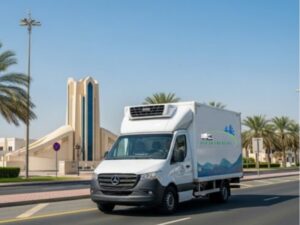
Dubai, Abu Dhabi, and Sharjah experience heavy traffic during peak hours. A reliable chiller truck for rent must navigate through congested routes efficiently. Major challenges include:
• Morning rush hours from 7-9 AM affect delivery schedules
• Evening congestion from 5-8 PM is slowing return trips
• Weekend traffic around shopping districts and malls
Modern GPS systems help drivers find the fastest routes, saving both time and fuel. Delayed deliveries can result in spoiled goods and unhappy customers.
Climate Considerations for Deliveries
Extreme weather conditions in the UAE demand robust refrigerated transport solutions. High ambient temperatures stress cooling systems and threaten product integrity. Temperature-controlled logistics must account for the harsh desert climate throughout delivery operations.
The UAE’s extreme heat poses unique challenges for delivery vehicles. Without proper refrigeration, perishable items deteriorate within minutes. Key climate factors include:
• Summer temperatures exceeding 45°C regularly
• High humidity affects refrigeration efficiency
• Direct sunlight increases vehicle internal temperatures
Your delivery vehicle must maintain consistent cooling throughout the journey to ensure product quality is preserved.
Meeting Tight Delivery Windows
Time-sensitive deliveries require punctual and dependable transportation. Commercial clients demand precise delivery scheduling to maintain their operations. Reliable delivery vehicles ensure consistent on-time performance that builds long-term business relationships.
Urban customers expect fast delivery times. A dependable delivery vehicle ensures you meet these critical time slots:
• Restaurants needing fresh ingredients by 6 AM
• Pharmacies requiring medications before opening hours
• Supermarkets expecting multiple daily replenishments
Key Features of a Reliable Delivery Vehicle
A dependable delivery vehicle combines multiple essential features. Temperature control, regular maintenance, and fuel efficiency work together to ensure reliable operations. These features protect your products and reduce operational costs.
Investing in vehicles with the right features prevents costly breakdowns and product losses. Modern technology makes delivery operations smoother and more profitable.
Temperature Control Systems
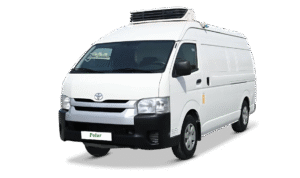
Advanced refrigeration technology ensures consistent cold chain management throughout deliveries. Modern chiller van for rent use intelligent cooling systems to maintain optimal product temperatures. These temperature-controlled vehicles protect perishable goods from spoilage and maintain pharmaceutical efficacy.
Refrigerated vans maintain precise temperatures for different product types. Advanced cooling systems prevent temperature fluctuations during deliveries. Essential features include:
• Temperature range from -25°C to +25°C
• Real-time monitoring with instant alerts
• Multi-zone compartments for different products
• Backup cooling systems for critical loads
Vehicle Maintenance and Reliability
Preventive maintenance ensures your delivery fleet operates without unexpected failures. Reliable transportation depends on systematic vehicle servicing and inspections. Well-maintained refrigerated trucks deliver consistent performance while reducing total ownership costs.
Regular maintenance prevents breakdowns during critical deliveries. Well-maintained vehicles reduce fuel consumption and repair costs. Professional maintenance includes:
• Monthly refrigeration system inspections
• Regular engine oil and filter changes
• Brake and tire condition checks
Clean vehicles also create a positive brand image for your business.
Fuel Efficiency and Sustainability
Eco-friendly delivery vehicles reduce operational expenses and environmental impact simultaneously. Fuel-efficient transport solutions lower carbon emissions while improving profit margins. Green logistics practices meet UAE sustainability goals and attract environmentally conscious customers.
Modern delivery vehicles offer improved fuel economy and environmental benefits:
• Euro 5 and Euro 6 compliant engines
• Hybrid refrigeration options available
• Route optimization reducing fuel consumption by 15-20%
Why Temperature-Controlled Vehicles Matter
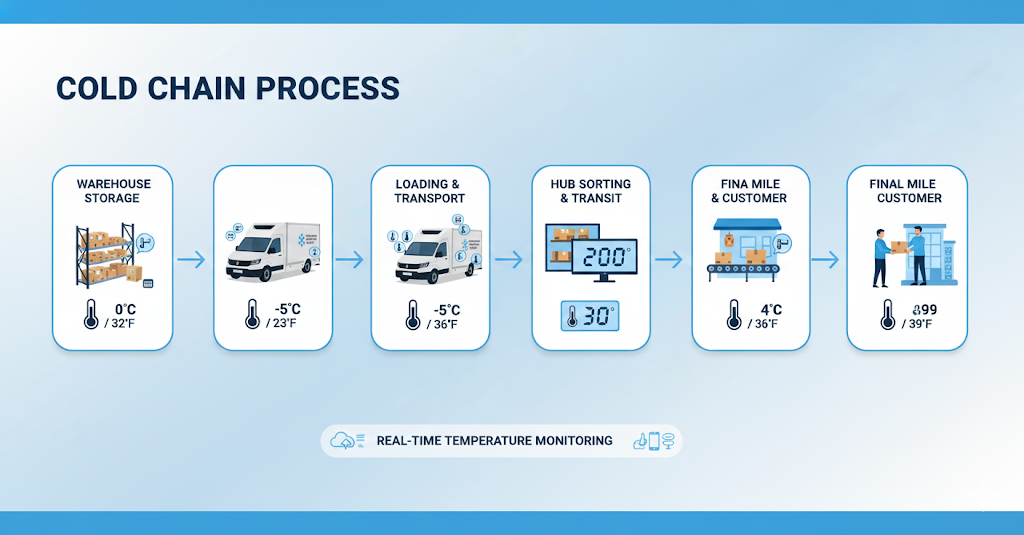
Temperature-controlled transportation protects product quality and customer health. Perishable goods require consistent cooling from the warehouse to the final destination. Without proper refrigeration, businesses face product losses and safety violations.
UAE regulations mandate strict temperature control for food and pharmaceutical deliveries. Professional freezer van for rent ensure compliance while maintaining product integrity throughout the delivery journey.
Protecting Perishable Goods
Cold storage vehicles protect valuable inventory from temperature damage and spoilage. Fresh food transportation requires continuous refrigeration from the warehouse to the customer. Proper Health Cold Chain logistics prevent product losses and maintain food quality standards.
Fresh produce loses quality quickly without proper cooling. A chiller truck for rent protects different product categories:
• Fresh fruits and vegetables requiring 2-4°C
• Dairy products needing 1-4°C constant temperature
• Fresh meat and seafood at 0-2°C
• Frozen goods at -18°C or below
Product losses from temperature abuse can devastate profit margins.
Pharmaceutical Transportation Requirements
Medical supply transport demands the highest cold chain standards and compliance. Pharmaceutical logistics require GDP-certified vehicles with precise temperature control. Healthcare delivery vehicles must maintain medication efficacy through continuous monitoring and documentation.
Medications have strict storage temperature requirements. Refrigerated delivery vehicles ensure pharmaceutical products remain potent and safe. Critical requirements:
• Vaccines requiring 2-8°C temperature range
• Insulin and biologics needing precise cooling
• Temperature data loggers for compliance documentation
• GDP (Good Distribution Practice) certification
Maintaining Food Safety Standards
Food transport compliance protects public health and business operations. Regulatory authorities conduct regular inspections of refrigerated delivery vehicles. HACCP-compliant transportation ensures food safety from source to consumer.
UAE authorities enforce strict food safety regulations. Compliant delivery vehicles help businesses avoid penalties. Key regulations include:
• Dubai Municipality food transport permits
• Abu Dhabi Food Control Authority compliance
• Temperature log maintenance requirements
• Regular vehicle hygiene inspections
The Impact of Vehicle Reliability on Business
Vehicle reliability directly affects your business success and profitability. Dependable transportation builds customer trust and reduces unexpected costs. Every breakdown or delay damages your reputation and revenue.
Smart businesses prioritize reliable vehicles to maintain a competitive advantage. The right delivery vehicle becomes a valuable business asset rather than just transportation.
Customer Satisfaction and Retention
Consistent delivery service builds customer loyalty and repeat business. On-time deliveries with fresh products create positive customer experiences. Reliable transportation directly influences customer retention rates and business growth.
Your delivery vehicle directly reflects your business commitment to quality. Reliable service creates these benefits:
• 95%+ on-time delivery rates
• Fresh products improving customer experience
• Repeat orders from satisfied clients
• Positive reviews and referrals
Cost Savings Through Efficiency
Operational efficiency reduces delivery costs and improves profitability. Fuel-efficient vehicles and optimized routes lower daily expenses. Smart fleet management minimizes waste while maximizing service quality.
Dependable vehicles reduce operational expenses significantly. These savings improve your bottom line:
• 20-30% reduction in emergency repair costs
• 15% fuel savings through efficient routing
• Lower product spoilage protects revenue
• Extended vehicle lifespan, reducing replacement frequency
Brand Reputation Management
Professional fleet appearance influences customer perceptions and brand value. Clean, modern delivery vehicles serve as mobile advertisements. Vehicle quality communicates business professionalism and reliability to potential customers.
Professional delivery vehicles enhance your company’s image. Quality vehicles signal professionalism:
• Clean, branded vans creating positive impressions
• Modern fleet demonstrating business success
• Mobile advertising on every delivery route
Choosing the Right Delivery Vehicle Solution
Selecting the right delivery vehicle requires careful consideration of your business needs. Fleet size, rental versus purchase options, and technology features all impact operations. Making informed decisions saves money and improves service quality.
This section helps you evaluate different vehicle solutions for your business. We’ll explore the key factors that determine the best choice for your delivery operations.
Renting vs Buying Delivery Vehicles
Fleet acquisition decisions impact long-term business finances and flexibility. Vehicle rental eliminates large capital investments and ownership responsibilities. Lease-to-own options provide alternative paths to fleet ownership.
Vehicle rental offers flexibility for growing businesses. Compare these key differences:
• Rental: No large upfront investment required
• Rental: Maintenance and repairs included
• Rental: Flexibility for seasonal demand changes
• Buying: Long-term ownership after payoff
Most businesses find rental more cost-effective for the first 3-5 years.
Fleet Size Considerations
Right-sizing your delivery fleet optimizes costs and service capacity. Too many vehicles waste money on unused capacity. Insufficient vehicles create delays and damage customer relationships.
Start with vehicles matching your current delivery volume. Scale gradually based on these factors:
• Daily delivery orders (1-2 vehicles per 50 orders)
• Geographic coverage area
• Peak season demand variations
• Backup vehicle requirements
Modern Technology Integration
Smart delivery technology streamlines operations and reduces human error. Fleet management systems provide real-time visibility into vehicle location and status. Digital solutions automate documentation and improve customer communication.
Technology improves operational efficiency significantly. Essential systems include:
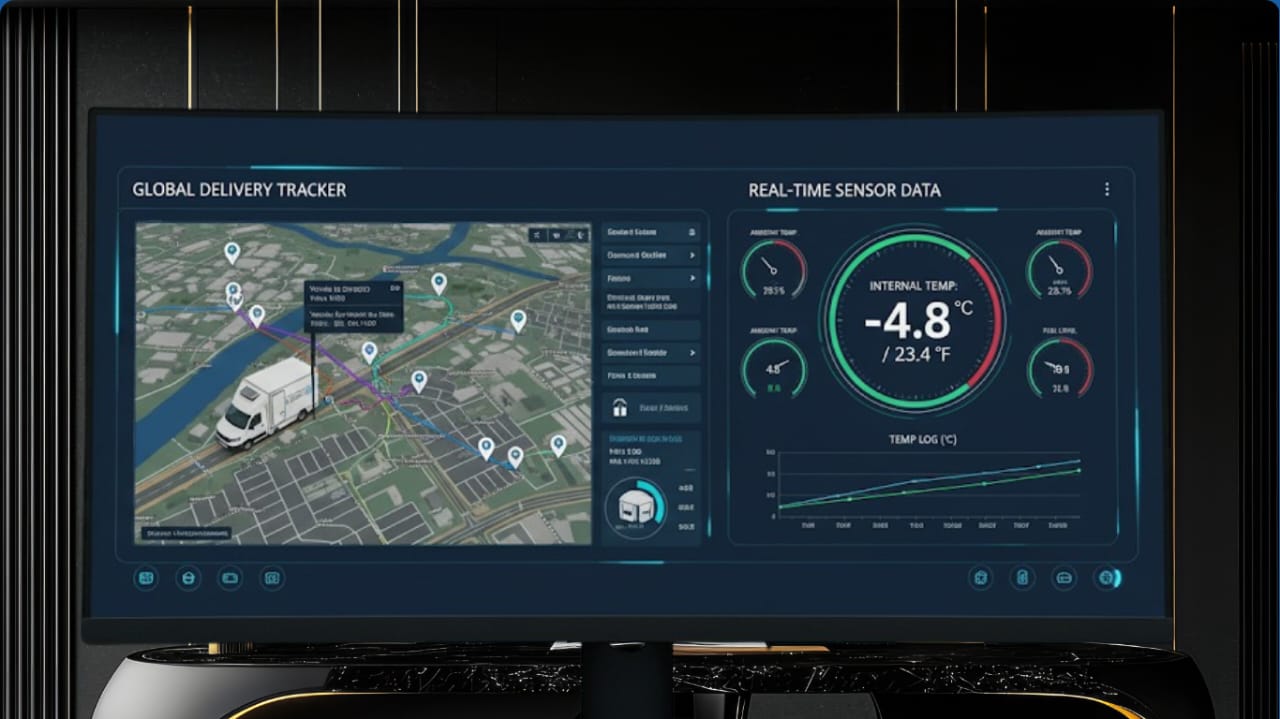
• GPS tracking for real-time location updates
• Temperature sensors with cloud monitoring
• Digital proof of delivery systems
• Route optimization software
Cold Chain Transportation in UAE
UAE maintains world-class standards for cold chain logistics. Government authorities enforce strict regulations to protect public health and safety. Businesses must comply with multiple regulatory requirements for temperature-controlled transport.
Understanding these regulations ensures smooth operations without penalties. Professional cold chain practices protect your business reputation and customer trust.
Regulatory Compliance Requirements
UAE authorities maintain strict cold chain standards. Compliant delivery vehicles must meet:
• ESMA equipment certification standards
• Ministry of Health pharmaceutical guidelines
• Local municipality food transport permits
• Annual vehicle hygiene inspections
Industry Best Practices
Follow these practices to ensure cold chain integrity:
• Pre-cool vehicles 30 minutes before loading
• Complete loading within 15 minutes
• Monitor temperatures every 30 minutes during transit
• Document all temperature readings
• Calibrate equipment quarterly
Certification and Quality Standards
Professional certifications demonstrate commitment to quality. Key certifications include:
• ISO 9001 for quality management systems
• HACCP for food safety management
• GDP for pharmaceutical distribution
• ISO 14001 for environmental management
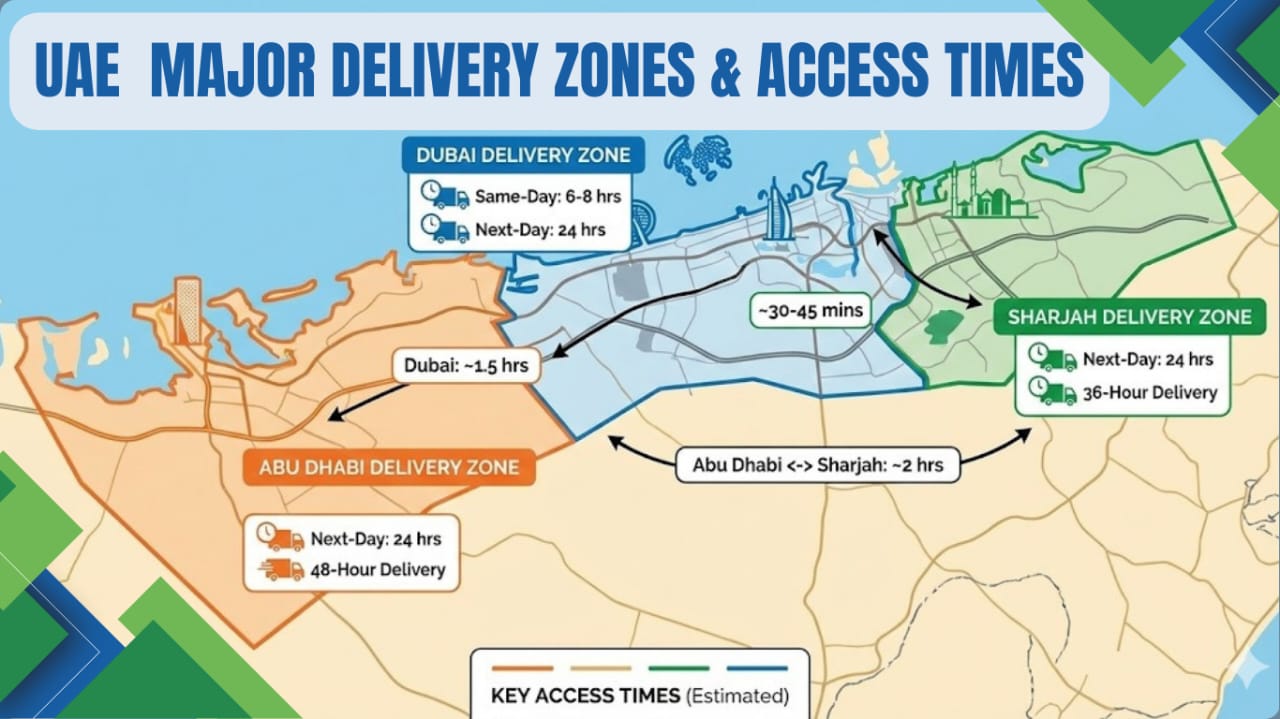
Regional Delivery Considerations
Each UAE emirate presents unique delivery challenges and opportunities. Dubai, Abu Dhabi, and Sharjah have different traffic patterns, regulations, and infrastructure. Successful delivery operations require local knowledge and strategic planning.
Understanding regional differences helps optimize your delivery routes and timing. Local expertise ensures efficient operations across all three emirates.
Dubai Delivery Logistics
Dubai’s sprawling urban layout requires efficient route planning. Key delivery zones include:
• Downtown Dubai and Business Bay
• Dubai Marina and JBR areas
• Free zones (JAFZA, DAFZA, Airport Free Zone)
• Palm Jumeirah requires special coordination
Abu Dhabi Transportation Needs
Abu Dhabi’s wide roads allow larger delivery vehicles. Important areas include:
• Yas Island with timing restrictions
• Saadiyat Island requires planning
• Al Reem Island ferry schedules
• Government and institutional areas with strict protocols
Sharjah Delivery Challenges
Sharjah borders Dubai, creating unique delivery opportunities. Navigate these considerations:
• Industrial areas with 6-10 AM optimal delivery windows
• Vehicle weight restrictions in residential zones
• Cross-emirate delivery coordination
• University City and research park access
Specialized Delivery Vehicle Applications
Different industries have specific delivery vehicle requirements. Restaurants, pharmacies, and retail stores need customized transportation solutions. Understanding industry-specific needs ensures proper vehicle selection.
Specialized vehicles meet unique operational demands while maintaining product quality. The right vehicle type directly impacts customer satisfaction and operational efficiency.
Restaurant and Catering Deliveries
Restaurants need multiple daily deliveries of fresh ingredients. Specific requirements include:
• Morning deliveries before 8 AM
• Multi-temperature compartments for different items
• Quick unloading capabilities
• Food-grade vehicle interiors
Pharmaceutical and Healthcare Deliveries
Healthcare delivery vehicles must meet the highest standards. Essential features:
• GDP-compliant temperature control
• Backup refrigeration systems
• Continuous temperature data logging
• Secure storage compartments
Retail and Grocery Deliveries
Supermarkets receive multiple deliveries daily. Key requirements:
• Large capacity for bulk deliveries
• Easy loading and unloading access
• Mixed temperature zones
• Precise delivery scheduling
Technology in Modern Delivery Vehicles
Advanced technology transforms delivery operations and customer service. GPS tracking, temperature monitoring, and maintenance alerts improve efficiency significantly. Modern vehicles offer real-time visibility and control over your deliveries.
Technology integration reduces operational costs while enhancing service quality. Smart systems prevent problems before they affect your deliveries.
Real-Time Temperature Monitoring
Digital sensors track internal temperatures constantly. Advanced monitoring systems provide:
• Instant SMS/email alerts for deviations
• Cloud-based data storage
• Automated compliance reports
• Historical temperature graphs
GPS and Route Optimization
Smart routing software finds the fastest delivery paths. Benefits include:
• Real-time traffic updates
• Customer delivery notifications
• Driver performance tracking
• Fuel consumption analytics

Maintenance Alert Systems
Modern vehicles warn drivers about potential mechanical issues. Proactive systems include:
• Engine diagnostics monitoring
• Scheduled service reminders
• Digital maintenance logs
• Predictive failure alerts
Environmental Considerations
Sustainable delivery practices benefit both business and the environment. Fuel-efficient vehicles reduce costs while lowering carbon emissions. UAE businesses increasingly prioritize green logistics solutions.
Environmental responsibility attracts conscious customers and meets regulatory expectations. Eco-friendly operations position your business for long-term success.
Reducing Carbon Footprint
Fuel-efficient vehicles lower greenhouse gas emissions. Sustainable practices include:
• Route optimization reducing miles by 20%
• Regular maintenance improves efficiency
• Driver training on eco-driving techniques
• Carbon offset programs
Sustainable Urban Logistics
Electric refrigerated vehicles are becoming more common. Future-ready options:
• Electric vans with 250km+ range
• Hybrid refrigeration systems
• Solar panel-assisted cooling
• Government incentives for green fleets
Partnering with Professional Fleet Services
Professional rental companies simplify vehicle management and reduce operational headaches. They handle maintenance, repairs, and replacements automatically. This partnership allows you to focus on core business activities.
Experienced fleet providers bring expertise and reliability to your operations. Choosing the right partner ensures consistent service quality and cost-effective solutions.
Benefits of Rental Services
Professional rental companies maintain vehicles to the highest standards. Key advantages:
• Zero maintenance responsibilities
• Backup vehicles available 24/7
• Comprehensive insurance coverage
• Access to the newest vehicle models
Flexible Rental Terms
Choose rental terms that match your business cycles. Options include:
• Daily rentals for temporary needs
• Weekly rentals with discounted rates
• Monthly contracts for regular operations
• Annual agreements with maximum savings
Why Choose PolarFreights for Your Delivery Vehicle Needs
PolarFreights stands out as the premier chiller van rental provider across Dubai, Abu Dhabi, and Sharjah. Our modern fleet combines cutting-edge refrigeration technology with reliable performance. We understand the unique challenges of UAE’s climate and urban delivery requirements.
Our vehicles undergo rigorous maintenance schedules to ensure zero-failure deliveries. Each refrigerated van features real-time temperature monitoring and GPS tracking systems. Whether you need a small chiller van for daily restaurant deliveries or a large freezer truck for pharmaceutical distribution, Polar Freights has the right solution.
We offer flexible rental terms from daily to long-term contracts:
• 24/7 customer support and emergency assistance
• Competitive pricing with transparent billing
• Comprehensive insurance coverage included
• Full maintenance and repairs at no extra cost
Partner with PolarFreights to experience reliable cold chain transportation that protects your products and reputation. Contact us today for a customized quote.
Conclusion
A reliable delivery vehicle forms the backbone of successful urban logistics. Whether transporting fresh food, critical medications, or other temperature-sensitive goods, your vehicle choice directly impacts business success. In Dubai, Abu Dhabi, and Sharjah’s challenging climate, refrigerated vans ensure product integrity from the warehouse to the customer. Professional chiller van rental services offer flexibility, reliability, and compliance without large capital investments.
Modern temperature-controlled vehicles, combined with GPS tracking and proper maintenance, deliver consistently excellent results. Choose your delivery vehicle partner carefully to ensure your business thrives in UAE’s competitive urban market.
At Polar Freights, we specialize in premium chiller van rental services throughout Dubai, Abu Dhabi, and Sharjah. Our modern fleet of temperature-controlled vans is designed to safely transport perishable items, including food products and pharmaceuticals. Whether you require a freezer van for hire or a complete cold storage transport solution, we ensure your goods remain at optimal temperatures during transit.
With reliable, efficient, and affordable refrigerated logistics, we provide cold chain transportation tailored to your unique requirements. Choose Polar Freights for dependable and timely deliveries with our advanced refrigerated vehicles.
FAQs
What size chiller van do I need for food delivery in Dubai?
The size depends on your daily delivery volume. Small businesses typically start with 3-ton refrigerated vans. Medium operations need 5-ton capacity vehicles. Large-scale distributors require 7-ton or larger chiller trucks. Consider your peak demand when choosing vehicle size. Rental services let you scale up during busy periods without permanent commitments.
How much does it cost to rent a refrigerated van in UAE?
Rental costs vary by vehicle size and rental duration. Small chiller vans in Dubai start around AED 150-200 per day. Medium-sized refrigerated trucks cost AED 250-350 daily. Long-term monthly rentals offer significant discounts. Prices include basic insurance and maintenance. Additional costs may include GPS tracking and temperature monitoring systems.
Do I need special licenses to operate a refrigerated delivery vehicle in Dubai?
Standard UAE driving licenses suffice for small to medium refrigerated vans. Vehicles over 3.5 tons require a light truck license. Commercial delivery operations need a trade license from Dubai Economy. Food businesses must register with Dubai Municipality. Pharmaceutical deliveries require Ministry of Health approval. Always verify current licensing requirements for your specific industry.
What temperature should a chiller van maintain for food delivery?
Fresh produce requires 2-4°C storage temperatures. Dairy products need 1-4°C conditions. Frozen foods must stay at -18°C or below. Prepared meals require 0-5°C during transport. UAE food safety regulations mandate continuous temperature monitoring. Your chiller van should maintain these temperatures even in 45°C+ outdoor heat.
How often do refrigerated vans need maintenance in Abu Dhabi’s climate?
UAE’s extreme heat requires more frequent maintenance than cooler climates. Schedule professional service every 5,000 kilometers or monthly. Check refrigeration systems weekly for optimal performance. Inspect door seals and gaskets regularly for air leaks.
Professional rental companies handle all maintenance, ensuring vehicles stay road-ready. Preventive maintenance prevents costly breakdowns during critical deliveries.
Can I rent a freezer van for pharmaceutical delivery in Sharjah?
Yes, specialized pharmaceutical-grade freezer vans are available for rent. These vehicles maintain -25°C to -80°C temperatures. They include continuous temperature data loggers. Many feature backup refrigeration systems for redundancy.
Pharmaceutical deliveries require GDP (Good Distribution Practice) compliance. Choose rental companies with healthcare logistics experience and proper certifications.
What’s the difference between a chiller van and a freezer van?
Chiller vans maintain temperatures between 0-15°C for fresh and refrigerated goods. Freezer vans operate at -18°C to -25°C for frozen products. Chiller units are ideal for produce, dairy, and fresh meat. Freezer units transport ice cream, frozen seafood, and frozen meals.
Some multi-temperature vehicles offer both zones simultaneously. Your product requirements determine which vehicle type you need.
How quickly can I get a refrigerated van rental in Dubai?
Most professional rental companies offer same-day or next-day service. Book online or call to check immediate availability. Peak seasons (Ramadan, holidays) require booking. Emergency replacement vehicles are usually available within hours.
Establish relationships with multiple rental providers for backup options. Long-term contracts guarantee vehicle availability year-round.