
Transporting frozen food in Dubai is a real challenge. Summer temperatures often pass 45°C, humidity is high and traffic can slow deliveries at any time. A short delay or a small temperature rise can ruin an entire shipment of meat, seafood, ice cream or ready meals.
The good news is that a clear plan protects your stock and your reputation. In this guide, we share practical frozen food transport tips Dubai businesses can use to keep products safe, fresh and fully frozen from the warehouse to the customer.
Why Frozen Food Transport Is Harder in Dubai
Frozen food should stay at -18°C or colder during the whole journey. In a hot climate, the vehicle’s cooling system works much harder to hold that level. Every door opening lets in warm air, and every minute in direct sun adds pressure on the insulation.
Add long loading times, busy roads and multiple delivery stops, and the risk of a temperature breakdown grows quickly. Once frozen food partly thaws and refreezes, its texture, taste and safety suffer. That is why careful handling matters at every step.
10 Frozen Food Transport Tips for Dubai
1. Choose the Right Vehicle
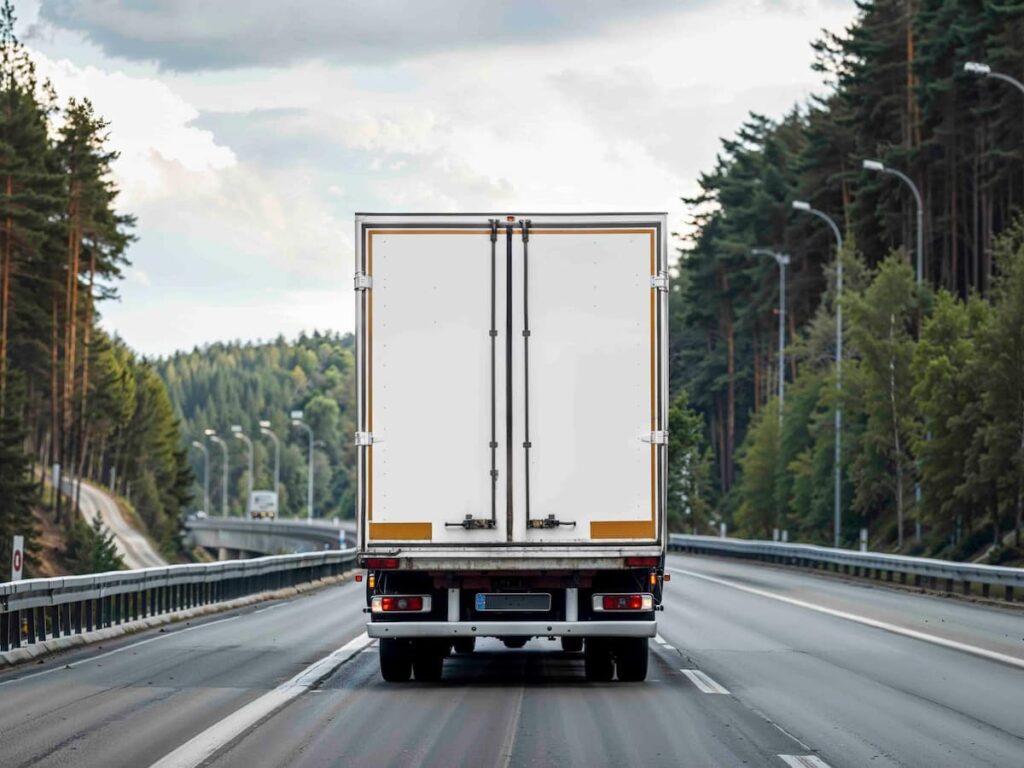
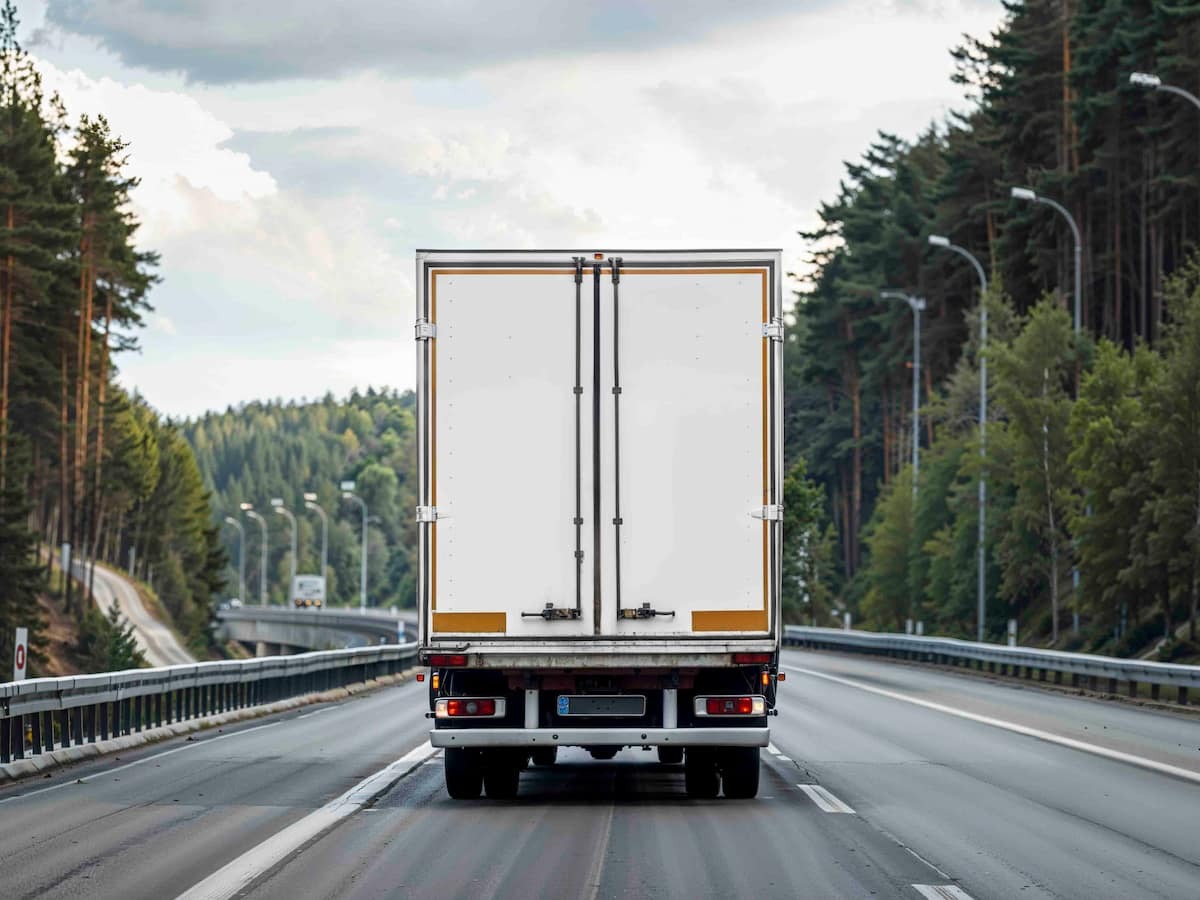
Use a vehicle built for deep-freeze transport, not just a chilled one. A freezer truck or a properly rated freezer van can hold -18°C to -25°C even in extreme heat. Match the size to your load: a half-empty cargo area wastes energy, while an overloaded one blocks airflow.
2. Pre-Cool the Cargo Area
Never load frozen goods into a warm vehicle. Switch on the refrigeration unit well before loading and let the cargo area reach the target temperature. Pre-cooling gives your products a stable start and reduces strain on the compressor.
3. Load Only Properly Frozen Products
A freezer truck is made to hold temperature, not to freeze warm products. Check that goods are already at -18°C or below before they enter the vehicle. Loading soft or partly thawed items puts the whole shipment at risk.
4. Keep Loading Fast and Organized
Plan your loading so doors stay open for the shortest time possible. Use a covered or refrigerated loading dock if you can. Stack pallets or boxes with small gaps so cold air can flow around them, and never block the cooling unit’s air outlet.
5. Avoid the Hottest Hours
When possible, schedule deliveries early in the morning, late in the evening or at night. Cooler outside air lowers the load on your refrigeration unit and cuts the risk of a temperature rise during stops.
6. Use Temperature Monitoring
Install a digital thermometer or data logger that records temperature throughout the trip. Real-time GPS and temperature tracking lets you act before a problem becomes a loss. Saved records also help prove that the cold chain was kept if a customer or inspector asks.
7. Keep Door Openings to a Minimum
Every opening lets hot air rush in. For multi-stop routes, group products by customer so drivers can unload quickly. Plastic strip curtains inside the cargo door can also help hold cold air.
8. Maintain the Refrigeration Unit
A weak compressor or damaged door seal can cause a failure on the road. Service the cooling unit on schedule, check door gaskets, clean condenser coils and test the thermostat often. Preventive maintenance is far cheaper than a spoiled load.
9. Plan Routes and Backup Options
Use route planning to avoid heavy traffic and long idle times. Do not turn off the refrigeration unit while the vehicle is waiting. Keep an emergency plan ready, including a backup vehicle or cold storage partner, in case of a breakdown.
10. Follow Local Food Safety Rules
Food transport vehicles in Dubai must meet local food safety requirements, including hygiene, correct temperature control and proper documentation. Check the current rules and permits with Dubai Municipality before you operate, and keep your vehicle clean and in good condition at all times.
Packaging Tips That Help
Good packaging adds a second layer of protection. Use sturdy, sealed, insulated packaging, and add dry ice or gel packs for short last-mile delivery in small vans or bikes. Label boxes clearly with product type, date and storage temperature so handlers know what they are carrying.
Common Mistakes to Avoid
- Loading products that are not fully frozen
- Leaving doors open during long unloading
- Turning off the cooling unit during waiting time
- Skipping regular maintenance
- Ignoring temperature records
- Overloading the vehicle and blocking airflow
Final Thoughts
Safe frozen delivery in Dubai depends on preparation, the right equipment and constant monitoring. Choose a suitable freezer vehicle, pre-cool it, load quickly, track temperature and stay compliant with local rules. By following these frozen food transport tips Dubai businesses can reduce waste, protect food quality and earn lasting customer trust.
Frequently Asked Questions (FAQs)
1. What temperature should frozen food be kept at during transport?
Frozen food should be kept at -18°C or colder for the whole journey. Many freezer vehicles are set a little lower to allow a safety margin in hot weather.
2. Can I use a normal refrigerated van for frozen food in Dubai?
Only if the unit is rated to hold deep-freeze temperatures. A standard chilled van may not keep goods frozen in Dubai’s heat, so a freezer van or truck is the safer choice.
3. What is the best time to transport frozen food in Dubai?
Early morning, evening and night are best because outside temperatures are lower. This puts less strain on the refrigeration unit and lowers the risk of thawing.
4. How can I monitor frozen food temperature during delivery?
Use a digital data logger or a GPS-linked temperature tracking system. These tools record the temperature during the trip and alert you if it rises above the safe level.
5. What happens if frozen food thaws during transport?
Thawed food can lose quality and may become unsafe, especially meat, poultry and seafood. Partly thawed products should not be refrozen unless a food safety professional confirms it is safe.