

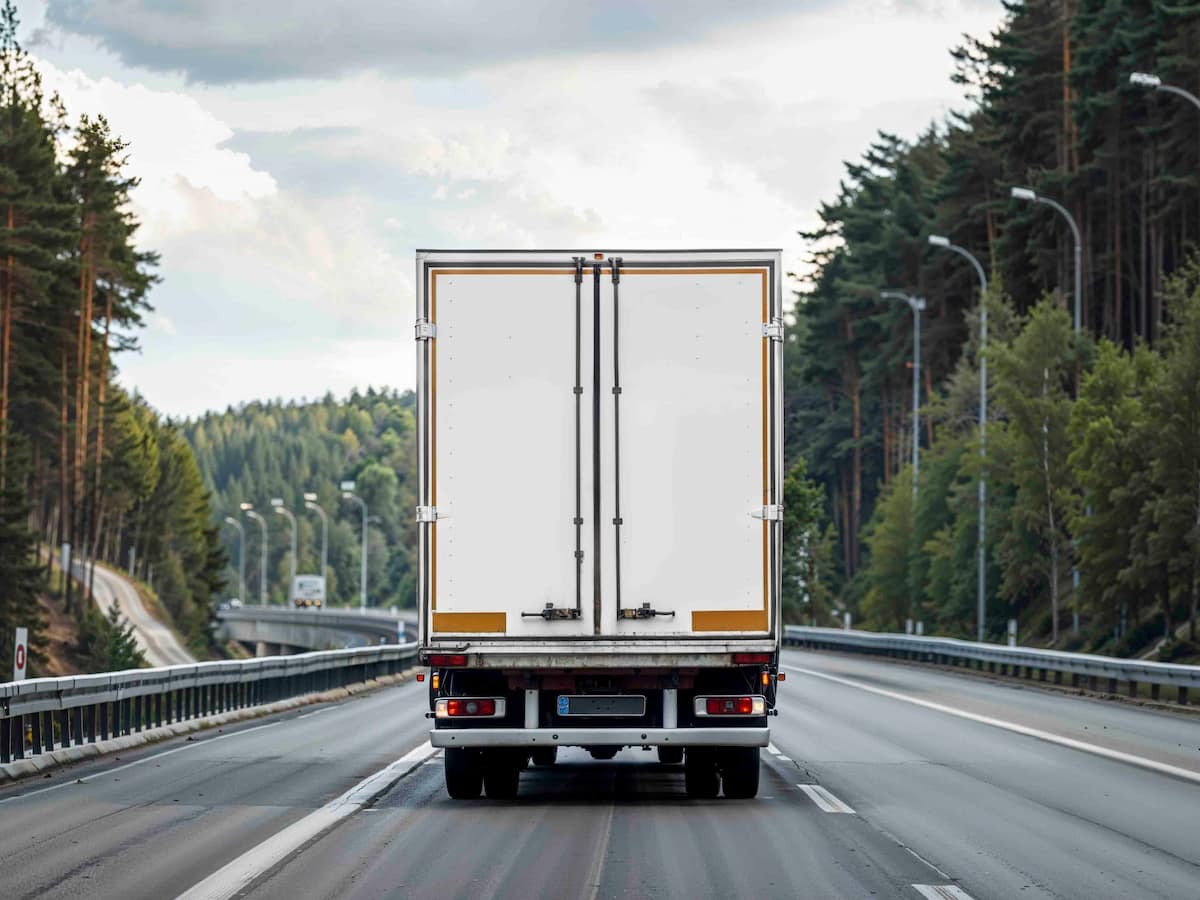
When it comes to transporting perishable goods safely, the Toyota Hiace Chiller Van stands out as one of the most trusted refrigerated vehicles on Pakistani roads. Whether you run a dairy business, a seafood supply chain, a pharmaceutical distribution company, or a catering service, keeping your products at the right temperature during transit is non-negotiable. That’s exactly where the Toyota Hiace Chiller Van earns its reputation combining Toyota’s legendary reliability with a purpose-built refrigeration unit designed for the demands of commercial cold chain logistics.
In this guide, we’ll break down everything you need to know about this workhorse vehicle, from its core features to its real-world applications and buying considerations.
Why Choose the Toyota Hiace for Refrigerated Transport?
The Toyota Hiace has long been a favorite base vehicle for commercial conversions in Pakistan and across Asia. Its spacious cargo area, sturdy chassis, and fuel-efficient engine make it an ideal candidate for chiller and freezer van conversions. Unlike smaller pickup-based coolers, the Hiace offers enough interior volume to accommodate a proper insulated chamber without sacrificing too much payload capacity.
Local fabricators and specialized coach builders retrofit the Hiace with insulated panel walls, a refrigeration compressor unit, and temperature control systems, transforming a standard van into a fully functional mobile cold room. The result is a vehicle that can maintain consistent temperatures often ranging from -18°C for frozen goods to +4°C for chilled products regardless of outdoor heat.
Key Features of a Toyota Hiace Chiller Van
1. Insulated Cargo Body The cargo compartment is lined with high-density polyurethane (PU) foam panels, typically 50mm to 75mm thick, which prevent heat transfer and keep internal temperatures stable even during long hauls in Pakistan’s hot climate.
2. Reliable Refrigeration Unit Most conversions use branded refrigeration units capable of maintaining temperatures between -20°C and +10°C, adjustable based on cargo type — whether it’s dairy, meat, seafood, flowers, or vaccines.
3. Digital Temperature Control A digital thermostat panel allows drivers or logistics managers to monitor and adjust internal temperature in real time, often with alarm systems for temperature deviations.
4. Strong Payload Capacity Depending on the model year, the Hiace can carry between 1,000 kg and 1,500 kg, making it suitable for small to medium-scale distribution routes.
5. Fuel Efficiency Toyota’s diesel engines are known for excellent fuel economy, which is a major cost-saving factor for businesses running daily delivery routes.
6. Easy Loading and Unloading Rear barn doors or a sliding side door provide convenient access for loading crates, boxes, or pallets of perishable goods.
7. Durable Build Quality Toyota’s reputation for reliability means lower maintenance costs and fewer breakdowns critical for businesses that can’t afford delivery delays.
Common Business Uses of the Toyota Hiace Chiller Van
The versatility of this vehicle makes it valuable across multiple industries:
- Dairy and Beverage Distribution Transporting milk, yogurt, and juices while maintaining freshness.
- Meat and Poultry Supply Keeping raw meat within safe temperature zones to prevent spoilage.
- Seafood Logistics Preserving fish and seafood quality from port to market.
- Pharmaceutical and Vaccine Delivery Meeting strict cold-chain compliance for medical supplies.
- Catering and Event Services Delivering fresh ingredients or prepared food to event venues.
- Flower and Floral Business Keeping bouquets fresh during city-wide deliveries.
- Ice Cream and Frozen Foods Maintaining sub-zero temperatures for frozen product lines.
Toyota Hiace Chiller Van Price in Pakistan
Pricing varies significantly based on the vehicle’s model year, condition (new, used, or imported), and the specifications of the chiller conversion itself. Key cost factors include:
- Base Vehicle Cost Depends on whether you’re buying a brand-new Hiace, a used import, or a locally assembled unit.
- Conversion Cost Insulation quality, refrigeration unit brand, and chamber size all affect the final conversion price.
- Temperature Range Requirements Freezer-grade units (sub-zero) typically cost more than standard chiller units.
- After-Sales Warranty Reputable conversion companies often include warranty coverage on the refrigeration system.
Because prices fluctuate with import duties, currency rates, and fabrication costs, it’s best to request a direct quote from a trusted dealer or conversion specialist for the most accurate figure.
Tips for Buying a Toyota Hiace Chiller Van
- Inspect the Insulation Quality Thicker, well-sealed panels perform better in extreme heat.
- Check the Compressor Brand Known refrigeration brands tend to be more durable and easier to service.
- Verify Engine and Mileage History Especially important for used imports.
- Ask About Temperature Logging Useful for businesses needing compliance records (e.g., pharma).
- Test Drive with a Loaded Chamber Ensure performance isn’t compromised under real cargo weight.
- Confirm After-Sales Support Refrigeration units need periodic servicing; local support matters.
Maintenance Tips to Extend Vehicle Life
Routine care keeps both the engine and refrigeration system running smoothly:
- Service the compressor and coolant levels every few months.
- Check door seals regularly to prevent cold air leakage.
- Clean condenser coils to maintain cooling efficiency.
- Monitor engine oil and filters per Toyota’s standard maintenance schedule.
- Avoid overloading beyond the rated payload capacity.
Final Thoughts
The Toyota Hiace Chiller Van remains a top choice for businesses across Pakistan that depend on unbroken cold chains from dairy farms to pharmaceutical distributors. Its blend of Toyota’s dependable engineering with a well-insulated, temperature-controlled cargo body makes it a practical investment for companies serious about product quality and customer trust. If you’re planning to expand your cold logistics fleet, the Hiace chiller van offers a balanced mix of reliability, efficiency, and adaptability that’s hard to beat.
Frequently Asked Questions (FAQs)
1. What temperature range can a Toyota Hiace Chiller Van maintain?
Most conversions can maintain temperatures from around -18°C for frozen goods up to +10°C for standard chilled products, depending on the refrigeration unit installed.
2. How much payload can a Toyota Hiace Chiller Van carry?
Depending on the model and conversion, it typically carries between 1,000 kg and 1,500 kg of cargo.
3. Is the Toyota Hiace Chiller Van suitable for pharmaceutical transport?
Yes, many units are fitted with digital temperature monitoring and alarm systems that make them suitable for vaccine and medicine transport, provided they meet required compliance standards.
4. How often does the refrigeration unit need servicing?
Generally, every 3 to 4 months, though this can vary based on usage intensity and manufacturer recommendations.
5. Can I get a Toyota Hiace Chiller Van customized for my business?
Yes, most conversion companies offer customizable insulation thickness, shelving, temperature zones, and branding to match specific business needs.